
Anxiety often gets framed as “overthinking,” but many people experience anxiety more like an alarm system that will not shut off. You might feel on edge, reactive, or flooded, even when nothing dangerous is happening in the present. Sometimes that anxiety is linked to earlier experiences, chronic stress, or moments when your nervous system learned to stay on high alert.
In those cases, EMDR therapy can be a powerful option. While EMDR is widely recognized for trauma and PTSD, it is also commonly used when anxiety is connected to specific triggers, memories, or learned threat responses.
At 360° Therapy, EMDR is available in North Miami Beach and via telehealth across Florida and Arizona:
How anxiety can become “stored” in the nervous system
Anxiety is not only a thought pattern. It can show up as:
-
Tight chest or shortness of breath
-
Racing heart
-
Restlessness or insomnia
-
Digestive discomfort
-
Feeling “on guard” or easily startled
-
Sudden panic when something reminds you of a past experience
When the brain links a sensation, image, or situation with danger, it can keep responding the same way, even long after the threat has passed. You might know you are safe, but your body reacts as if you are not.
EMDR targets that “stuck” link between a trigger and the nervous system’s alarm response.
What EMDR for anxiety can look like in real life
Here are a few examples of anxiety patterns where EMDR may be considered:
Example 1: Panic that started after a specific eventMaybe you had a medical scare, a car accident, or a sudden loss. Now your body interprets certain sensations as danger. EMDR can help reduce the intensity tied to the original memory and the current triggers.
Example 2: Social anxiety tied to earlier experiencesPast embarrassment, bullying, criticism, or rejection can create a strong emotional imprint. EMDR can help the brain reprocess those memories so current social situations feel less threatening.
Example 3: Anxiety that spikes in relationshipsIf you had past relationship instability, betrayal, or emotional unpredictability, your nervous system may stay hyper-alert. EMDR can help reduce reactivity tied to those past patterns.
EMDR is not always the first step. Many clients benefit from building skills first, especially if anxiety is severe or life is currently unstable. A trained therapist will help determine readiness.
What happens in EMDR sessions for anxiety?
EMDR for anxiety typically includes:
- Assessment and planningYou and your therapist clarify what anxiety looks like for you, what triggers it, and what memories or themes might be connected.
- Preparation and stabilization skillsYou practice grounding and regulation tools. This is essential, especially for panic symptoms.
- Targeting the right starting pointSometimes the target is a “first time” you remember feeling that same anxiety. Other times it is the most upsetting moment, or a pattern of experiences.
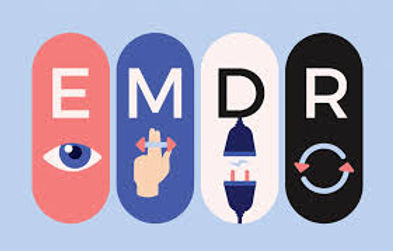
- Bilateral stimulation with brief focusYou focus on the target in a controlled way while using guided eye movements or tapping. Over time, many people notice the distress decreases and their interpretation of the memory shifts.
- Strengthening adaptive beliefsEMDR work often includes shifting from beliefs like “I cannot handle this” toward beliefs like “I can cope” or “I am safe now.”
What does the research say?
Major professional and clinical resources describe EMDR as an evidence-based treatment for PTSD, and many clinicians apply it to anxiety presentations where distress is memory-linked.
Helpful references:
-
APA overview of EMDR and PTSD:
https://www.apa.org/topics/psychotherapy/emdr-therapy-ptsd
-
VA EMDR overview for clinicians:
https://www.ptsd.va.gov/professional/treat/txessentials/emdr_pro.asp
-
Cochrane evidence summary:
https://www.cochrane.org/evidence/CD003388_psychological-therapies-chronic-post-traumatic-stress-disorder-ptsd-adults
If you are unsure whether your anxiety is trauma-linked, a therapist can assess this with you. Many people have anxiety that is shaped by earlier stressors even if they do not identify with the word “trauma.”

EMDR at 360° Therapy: Provider spotlight
At 360° Therapy, EMDR is offered by:
Sheera Davis, LCSW
Ready to take the next step?
If you want to explore whether EMDR is a fit, the easiest next step is to request a consultation and get matched to the right clinician.
Questions about getting started? Visit our FAQ page here.
We strive to be as evidenced-based as possible, so here are some sources of information around the subject of EMDR that you can check out.
For an evidence-based overview of EMDR, you can review:
Helpful references:
-
APA overview of EMDR and PTSD:
https://www.apa.org/topics/psychotherapy/emdr-therapy-ptsd
-
VA EMDR overview for clinicians:
https://www.ptsd.va.gov/professional/treat/txessentials/emdr_pro.asp
-
Cochrane evidence summary:
https://www.cochrane.org/evidence/CD003388_psychological-therapies-chronic-post-traumatic-stress-disorder-ptsd-adults